Exterior Cleaning Trends Maryborough Should Watch in 2026
Exterior cleaning has changed a lot in recent years. Homeowners and business owners in Maryborough now expect results that last, methods that protect their property, and practices that respect the local environment. Here are the trends shaping exterior cleaning in 2026, and what they mean for your home or business.
Why Exterior Cleaning Matters in Maryborough
Maryborough's mix of heritage buildings, established homes, and newer developments means a wide range of surfaces to look after. Weather, airborne dust, pollen, tree debris, and seasonal humidity all leave their mark on roofs, https://pressurecleaningmaryborough.com.au/tennis-court-cleaning/ walls, driveways, and outdoor living areas. Regular cleaning does more than improve appearance. It also helps prevent premature deterioration, slip hazards, and costly repairs.
Mould, algae, lichen, and grime hold moisture against surfaces. Over time this can degrade paint, stain concrete and pavers, and shorten the life of roofing and cladding. That is why many property owners are moving from occasional clean-ups to planned maintenance.
Trend 1: Soft Washing Is Becoming the Standard
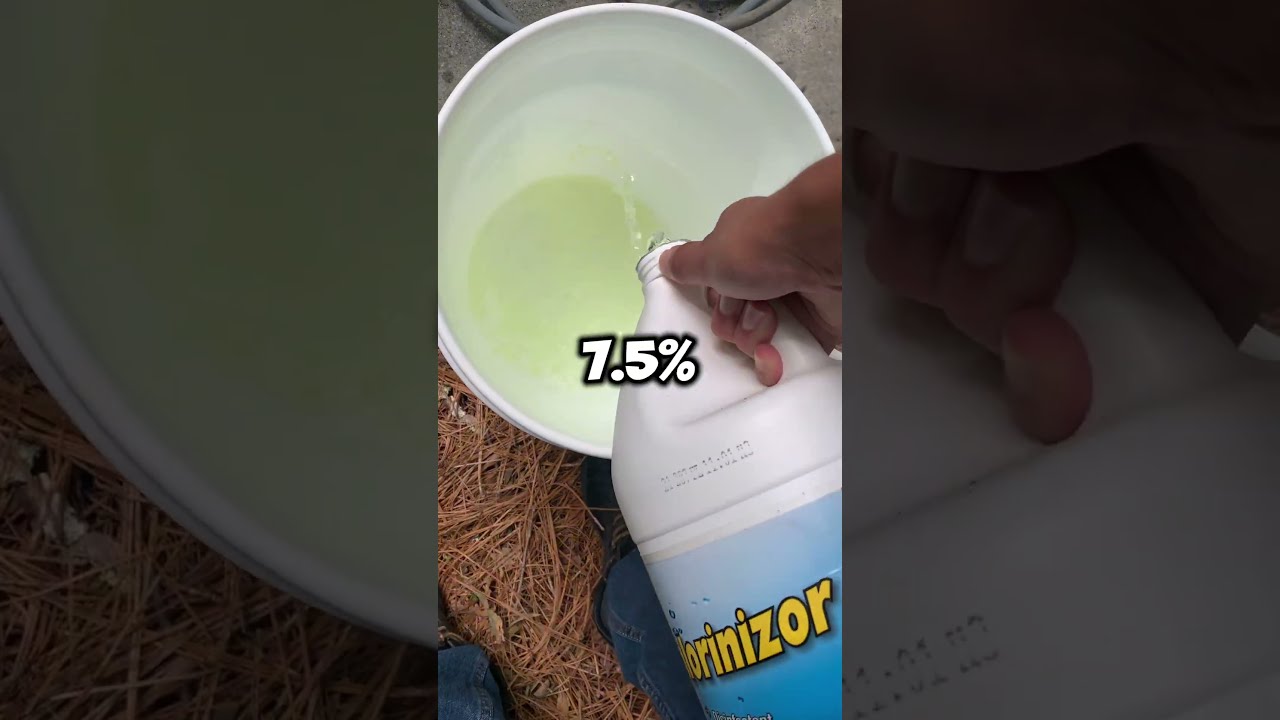
Soft washing uses low water pressure combined with suitable cleaning solutions to break down organic growth such as mould, algae, and mildew. It has become the preferred approach for delicate and porous surfaces, including:
- Painted weatherboard and rendered walls
- Roof tiles and metal roofing
- Timber fences and pergolas
- Older brick and heritage masonry
- Outdoor furniture and soft-surface cladding
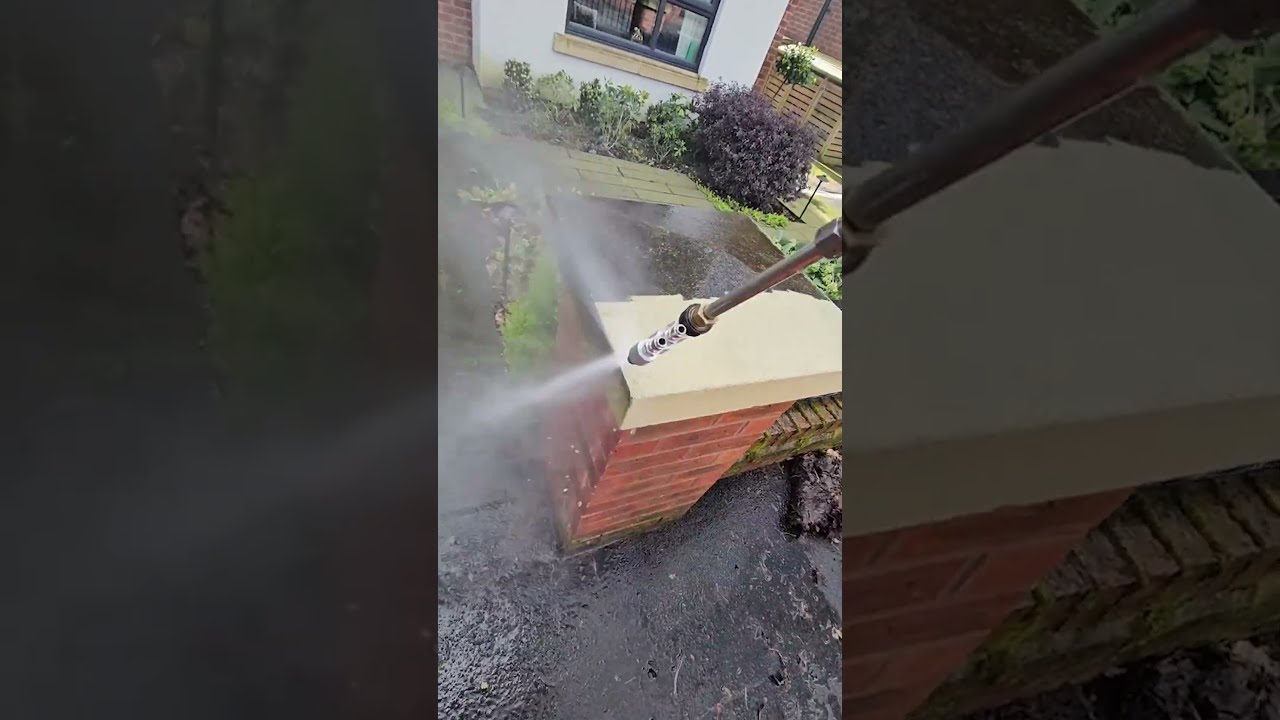
High-pressure washing still has a place on hard surfaces like concrete driveways, but 2026 is seeing a clear shift toward matching the method to the material. Too much pressure can etch concrete, strip paint, force water behind cladding, and loosen roof tiles. A reputable cleaner will assess the surface first rather than applying one method to everything.
Trend 2: Eco-Friendly and Biodegradable Cleaning Products
Environmental awareness continues to grow, and many Maryborough residents now ask what is going into their gardens and stormwater drains. Cleaning providers are responding with biodegradable detergents, plant-safe formulations, and better runoff management.
What to Ask About Products
If you are hiring a cleaner, it is reasonable to ask:
- Are the products biodegradable and safe for surrounding plants and pets?
- How is runoff controlled near garden beds, waterways, and drains?
- Are there any products used that require special rinsing or precautions?
Good operators can explain their products clearly and will protect nearby vegetation by pre-wetting and rinsing plants where needed.
Trend 3: Water-Wise Cleaning Practices
Water efficiency is a consistent concern across regional Australia. Local councils and water authorities can introduce or adjust water restrictions depending on conditions, so it pays to check current local rules before scheduling a large cleaning job.
Many professionals now use equipment that delivers strong results with lower water consumption, such as efficient pumps, appropriately sized nozzles, and surface cleaners that reduce overspray. Some also use water recovery or containment methods on commercial sites where wastewater needs to be managed responsibly. Soft washing is also relatively water-efficient because the cleaning solution does much of the work rather than sheer volume and pressure.
Trend 4: Preventative Treatments and Longer-Lasting Results
Rather than cleaning the same surfaces over and over, more property owners are choosing treatments that slow regrowth. These can include:
- Anti-mould and anti-algae applications on roofs and walls
- Sealers on pavers, concrete, and natural stone to reduce staining
- Protective coatings on timber decks and fences
These add-ons are not always necessary, and results depend on the surface, the amount of shade, moisture levels, and nearby trees. Still, for shaded south-facing walls or areas under dense foliage, preventative treatment can noticeably extend the time between cleans.
Trend 5: Roof Cleaning With a Maintenance Mindset
Roofs are one of the most overlooked parts of a property. Dark streaks, moss, and lichen are often more than cosmetic. Moss can trap moisture, and debris in gutters and valleys can cause overflow and water damage.
In 2026, more homeowners are treating roof cleaning as part of routine upkeep alongside gutter cleaning. An inspection while the roof is being cleaned can also reveal cracked tiles, lifted flashing, or rusting sheets early, when repairs are cheaper. Always choose a provider who follows proper height-safety practices, since roof work carries real risk.
Trend 6: Seasonal and Event-Driven Cleaning
Many people are scheduling cleaning around the calendar rather than waiting until a surface looks bad. Common triggers include:
- Preparing a home for sale or rental inspection
- Refreshing outdoor areas before summer entertaining
- Post-storm clean-up of debris, mud, and leaf litter
- Cleaning after bushfire-season smoke, ash, or dust events
- Pre-painting preparation to help new paint adhere
Booking ahead before peak periods, such as spring and the lead-up to Christmas, helps secure a convenient time slot.
Trend 7: Commercial and Heritage Property Care
Shopfronts, cafes, clubs, and heritage-listed buildings all benefit from careful exterior cleaning. A clean entrance, footpath, and facade shapes first impressions and can support foot traffic. For older buildings, gentle methods are essential. Stone, old brick, lime-based mortar, and historic paintwork can be damaged by aggressive cleaning, so specialist knowledge matters. If your building has heritage status, check with your local council about any requirements before changing or treating the exterior.
Commercial clients are also looking for off-hours service, so work can happen before opening or after closing with minimal disruption.
Trend 8: Greater Transparency and Safety
Customers now expect clear quotes, defined scopes of work, and proof of insurance. Safety documentation, such as risk assessments for roof and elevated work, is increasingly standard. When comparing providers, consider asking for:
- A written quote that lists the surfaces and methods to be used
- Confirmation of public liability insurance
- An explanation of how plants, pets, and neighbouring properties will be protected
- Details of any guarantee or follow-up if growth returns quickly
Practical Tips for Maryborough Property Owners
You do not need to wait for a professional visit to make a difference. A few simple habits can keep exteriors in better shape between cleans:
- Trim back overhanging branches to reduce shade, leaf litter, and moisture.
- Clear gutters regularly, especially after storms or heavy leaf fall.
- Sweep driveways and paths to prevent organic build-up.
- Improve airflow around damp walls and fences where possible.
- Address leaking taps, downpipes, or sprinklers that keep surfaces constantly wet.
Avoid using household bleach in large quantities or running a pressure washer at full power on unfamiliar surfaces. Both can cause damage and harm nearby plants.
Looking Ahead to 2027 and Beyond
The direction is clear. Expect continued growth in low-pressure cleaning, water-efficient equipment, longer-lasting protective treatments, and more transparent service standards. As 2027 approaches, property owners who plan maintenance proactively, rather than reacting to problems, are likely to save money and keep their properties looking their best.
Final Thoughts
Exterior cleaning in Maryborough is moving toward smarter, gentler, and more sustainable methods. Whether you are looking after a family home, a rental, or a commercial building, the best approach is to match the cleaning method to the surface, use responsible products, and keep up a regular maintenance schedule. Staying informed about these trends will help you make confident decisions and get lasting value from every clean.
Maryborough Pressure Cleaning
(07) 4120 7141